Advanced Orthopedic Care

Knee Replacement Recovery: Timeline, Exercises & What to Expect

Understand the recovery journey after knee replacement with Dr. Pramod Bhor in Kharghar.

Knee replacement recovery timeline and exercises

Knee Replacement Recovery: Timeline, Exercises & What to Expect

Knee replacement can help selected patients with advanced knee joint damage and persistent pain improve mobility and return to everyday activities. However, surgery is only one part of the treatment journey. Knee replacement recovery involves rehabilitation, physiotherapy, gradual strengthening and following the instructions provided by your orthopaedic and rehabilitation team.

Recovery is different for every patient. Age, overall health, muscle strength, the condition of the knee before surgery, type of procedure and commitment to rehabilitation can all influence the recovery process.

At Joint Robo, Dr. Pramod Bhor provides orthopaedic and joint replacement care in Navi Mumbai, with treatment and recovery guidance tailored to the patient's individual condition and needs.

Book a Consultation
How long does knee replacement recovery take

How Long Does Knee Replacement Recovery Take?

There is no single recovery timeline that applies to every patient. Many people begin standing and walking with assistance soon after surgery, while the transition to normal daily activities takes place gradually.

A general recovery pattern may look like this:

  • First few days: Initial mobilisation, pain management and introduction to exercises.
  • First few weeks: Gradual improvement in walking, knee movement and independence.
  • Around 4–6 weeks: Many patients can make significant progress with mobility and daily activities, depending on individual recovery.
  • Around 6–12 weeks: Strength, movement and confidence may continue to improve with rehabilitation.
  • Several months: Further improvements in strength, endurance and function may continue.

These are general guidelines rather than guarantees. Your individual recovery can be faster or slower depending on your health and surgical circumstances.

Knee Replacement Recovery Timeline

The recovery journey is gradual. Here is what each stage may involve, always according to your medical team's instructions.

1

Immediately After Surgery

The initial focus after knee replacement is safe recovery and early mobilisation.

Your healthcare team may focus on:

  • Managing pain and swelling
  • Monitoring the surgical site
  • Getting out of bed safely
  • Beginning appropriate knee exercises
  • Starting assisted walking
  • Preventing complications
  • Maintaining circulation
  • Gradually increasing movement

Early movement is generally an important part of rehabilitation, but activities should be performed according to your medical team's instructions.

2

First 1–2 Weeks

During the first couple of weeks, patients typically continue working on mobility and basic daily activities.

You may gradually work towards:

  • Walking with an appropriate support
  • Performing prescribed exercises
  • Improving knee movement
  • Managing swelling
  • Moving around the home safely
  • Becoming more independent with daily activities

You may still experience pain, stiffness or swelling during this stage.

3

Weeks 3–6

As recovery progresses, rehabilitation generally focuses on improving strength, range of motion and walking ability.

Depending on your progress, you may begin:

  • Walking for longer periods
  • Performing more strengthening exercises
  • Reducing dependence on walking aids
  • Improving stair mobility
  • Returning gradually to selected daily activities

Your physiotherapist and surgeon will determine when it is appropriate to progress exercises and activities.

4

Weeks 6–12

Many patients continue to experience improvements in strength, movement and confidence during this period.

You may gradually return to more normal activities depending on your recovery and medical advice.

However, recovery should not be rushed. Your body needs time to heal, and rehabilitation should progress according to your individual condition.

5

Beyond Three Months

Improvement can continue for several months after knee replacement. Strength, endurance and confidence may gradually increase as you continue appropriate exercise and daily activity.

Some patients may continue to notice improvements well beyond the early recovery period.

Walking After Knee Replacement

Walking is an important part of rehabilitation after knee replacement.

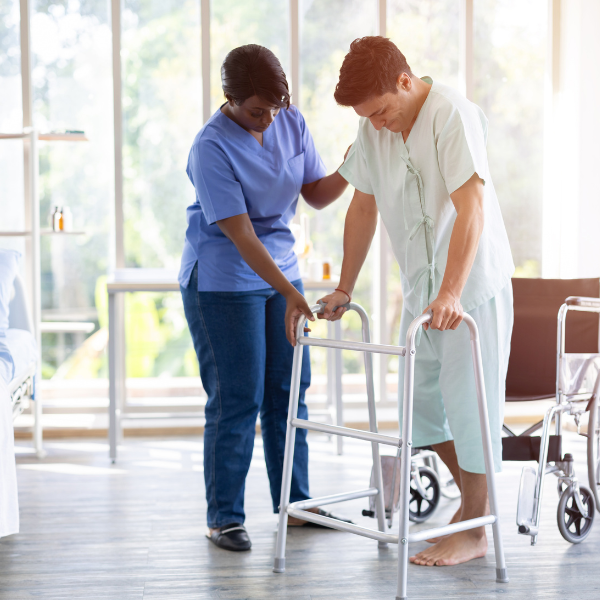
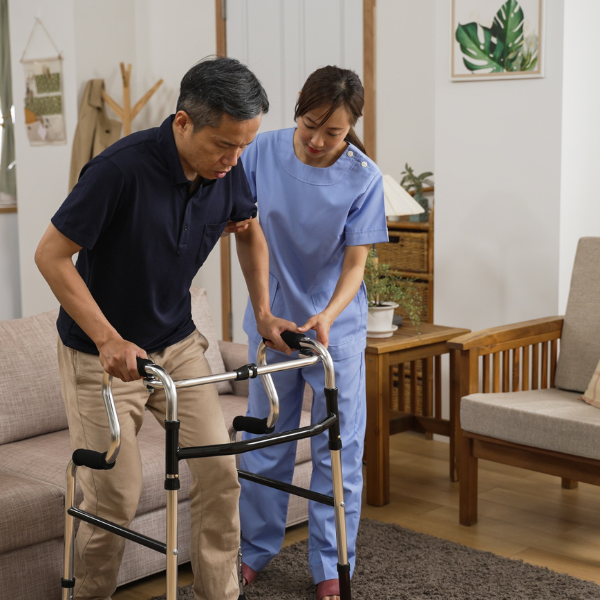
Patients commonly begin walking with assistance soon after surgery when medically appropriate. Walking aids such as a walker or crutches may be used initially.

As strength, balance and confidence improve, the need for walking support may gradually decrease.

Do not compare your walking progress with another patient's recovery. Your surgeon and physiotherapist can determine when it is safe to increase walking distance or reduce your dependence on a walking aid.

Walking after knee replacement
Exercises after knee replacement

Exercises After Knee Replacement

Exercise and physiotherapy are important components of recovery.

Your rehabilitation programme may include exercises designed to improve:

  • Knee movement
  • Quadriceps strength
  • Hamstring flexibility
  • Leg strength
  • Balance
  • Walking ability
  • Functional mobility

Common exercises may include ankle movements, quadriceps contractions, knee bending exercises and progressive strengthening exercises.

The specific exercises and number of repetitions should be determined by your physiotherapist or treating medical team.

Importance of Physiotherapy

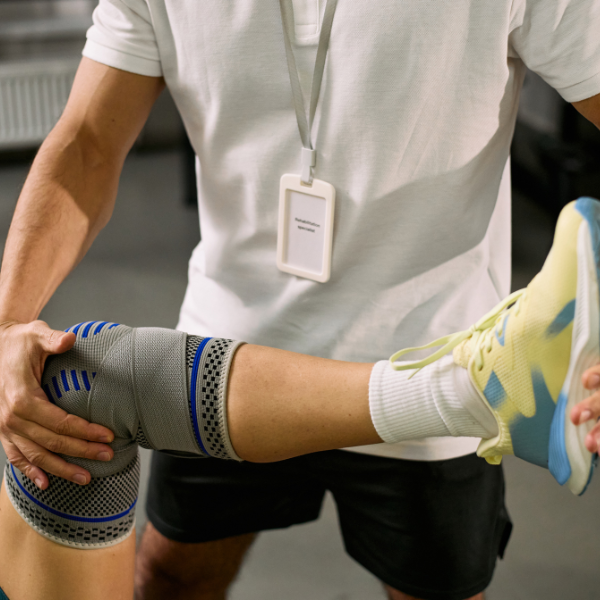
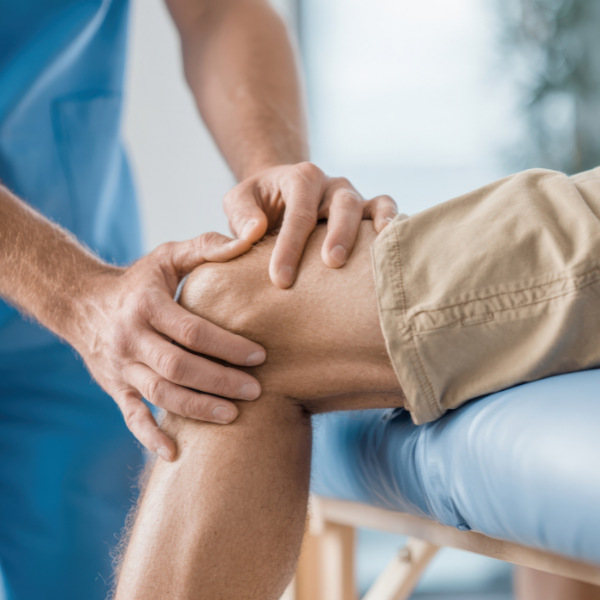
Physiotherapy helps patients progressively restore movement and strength following knee replacement.

A rehabilitation programme may focus on:

  • Reducing stiffness
  • Improving knee range of motion
  • Strengthening muscles around the knee
  • Improving walking mechanics
  • Regaining balance and stability
  • Gradually returning to everyday activities

Regular participation in the recommended rehabilitation programme can support functional recovery.

Physiotherapy after knee replacement

Managing Pain and Swelling

Some pain and swelling are common during the early recovery period.

Your healthcare team may recommend appropriate measures to manage these symptoms, which can include prescribed medication, positioning, activity modification and other strategies.

Swelling can sometimes persist for a period of time after surgery and may increase after greater activity.

Follow the specific instructions provided by your surgeon rather than changing medication or treatment independently.

Sleeping After Knee Replacement

Finding a comfortable sleeping position can be difficult during the early recovery period.

Your medical team can advise you on:

  • Comfortable sleeping positions
  • Supporting the operated leg when appropriate
  • Managing swelling
  • Timing of prescribed medication
  • Safe movement when getting in and out of bed

If pain is consistently preventing sleep, discuss it with your healthcare team.

Using stairs after knee replacement

Using Stairs After Knee Replacement

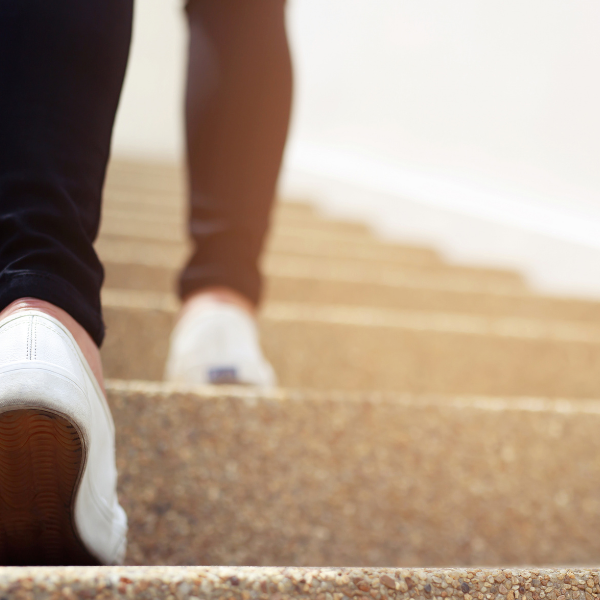
Stair climbing can initially be challenging because of weakness, pain and reduced confidence.

Your physiotherapist can teach you how to use stairs safely and when to progress your activity.

Do not attempt difficult stairs independently until you have been advised that it is safe to do so.

Returning to Work After Knee Replacement

The time required to return to work depends on the nature of your job and your recovery.

Someone with a desk-based occupation may return earlier than someone whose work involves:

  • Prolonged standing
  • Heavy lifting
  • Frequent stair climbing
  • Squatting
  • Kneeling
  • Physically demanding activities

Your surgeon can advise you based on your recovery and occupational requirements.

Returning to work after knee replacement
Driving after knee replacement

Driving After Knee Replacement

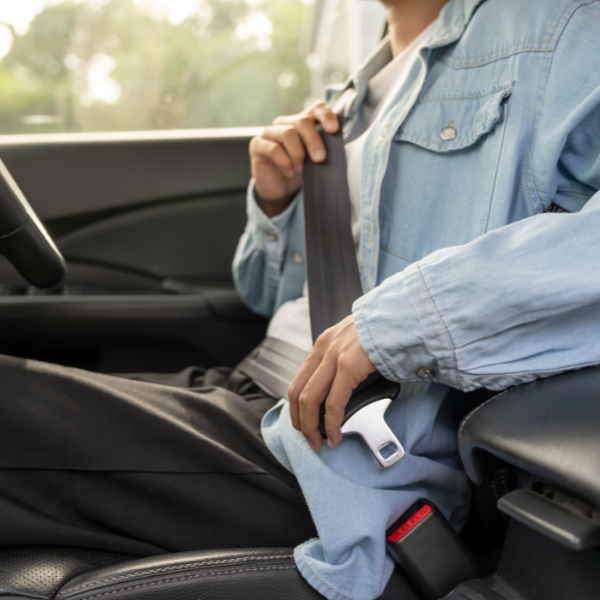
Driving should only be resumed when you can safely control the vehicle and your surgeon considers it appropriate.

Factors that may influence when you can drive include:

  • Pain
  • Strength
  • Reaction time
  • Knee movement
  • Use of walking aids
  • Medication
  • Ability to safely operate the vehicle

Always follow your surgeon's advice before returning to driving.

Returning to Exercise After Knee Replacement

Low-impact activities are generally more suitable during recovery than high-impact activities.

Depending on your recovery and medical advice, you may gradually return to activities such as:

  • Walking
  • Stationary cycling
  • Swimming after the surgical wound has healed
  • Appropriate strengthening exercises

High-impact activities may not be suitable for every patient. Discuss your preferred sports or exercise activities with your orthopaedic specialist before returning to them.

Returning to exercise after knee replacement
Recovery after robotic knee replacement surgery in Navi Mumbai

Recovery After Robotic Knee Replacement Surgery in Navi Mumbai

Patients undergoing Robotic Knee Replacement Surgery in Navi Mumbai at Joint Robo follow a recovery and rehabilitation plan based on their individual surgical procedure and medical condition. Robotic assistance is used to support surgical planning and precision during key steps of knee replacement, but recovery still depends on factors such as overall health, pre-operative mobility, muscle strength, the extent of joint damage and participation in rehabilitation. Robotic-assisted surgery does not eliminate the need for physiotherapy or guarantee a faster recovery, so patients should follow the personalised post-operative guidance provided by their treating team.

Total Knee Replacement →
Partial Knee Replacement →

What Can Affect Knee Replacement Recovery?

Several factors can influence recovery.

Age and Overall Health

General fitness and existing health conditions can affect the pace of recovery.

Muscle Strength Before Surgery

Patients with better pre-operative strength may find some aspects of rehabilitation easier, although recovery varies considerably.

Severity of Knee Damage

The condition of the knee before surgery can influence mobility and rehabilitation requirements.

Type of Procedure

Total and partial knee replacement involve different surgical considerations, which can affect recovery.

Rehabilitation

Following an appropriate rehabilitation programme is an important part of regaining movement and strength.

Lifestyle

Activity level, nutrition, sleep and adherence to medical advice can influence the overall recovery process.

Factors affecting knee replacement recovery
What to avoid during knee replacement recovery

What Should You Avoid During Knee Replacement Recovery?

Your surgeon will provide specific restrictions according to your procedure and recovery.

During the early recovery period, avoid activities that:

  • Put excessive stress on the operated knee
  • Involve sudden twisting
  • Increase the risk of falling
  • Exceed your recommended activity level
  • Are performed without appropriate support or supervision

Do not progress exercises or return to demanding activities simply because you feel better on a particular day.

Warning Signs During Recovery

Some discomfort, swelling and stiffness can be expected after surgery. However, certain symptoms require prompt medical attention.

Contact your healthcare team if you experience concerning symptoms such as:

  • Increasing or severe pain
  • Significant worsening of swelling
  • Persistent wound drainage
  • Fever or chills
  • Increasing redness around the surgical site
  • Sudden calf pain or swelling
  • Difficulty breathing
  • Sudden chest pain
  • Any other symptom that concerns you

Seek urgent medical attention for severe or sudden symptoms.

Warning signs during knee replacement recovery
Tips for a smoother knee replacement recovery

Tips for a Smoother Knee Replacement Recovery

A few practical measures can help you stay organised during rehabilitation:

  • Follow your surgeon's instructions carefully.
  • Attend recommended follow-up appointments.
  • Complete prescribed physiotherapy exercises.
  • Increase activity gradually.
  • Use walking aids as instructed.
  • Maintain a healthy diet.
  • Keep your home environment safe to reduce fall risks.
  • Take medications exactly as prescribed.
  • Avoid comparing your recovery with someone else's.
  • Contact your healthcare team if you notice concerning symptoms.

When Can You Return to Normal Activities?

There is no single date when every patient returns to normal.

Activities such as walking, working, driving, exercising and climbing stairs may resume at different times depending on recovery.

Your surgeon and physiotherapist can assess your progress and advise when it is appropriate to increase activity.

The goal is progressive improvement rather than rushing through the recovery process.

Explore all knee replacement options in Navi Mumbai →

Returning to normal activities after knee replacement

Frequently Asked Questions

Recovery varies from person to person. Many patients make significant progress during the first 6–12 weeks, while strength, endurance and overall function can continue improving for several months.

Many patients begin assisted walking soon after surgery when medically appropriate. The timing and amount of walking depend on the individual's condition and the surgeon's recommendations.

The duration varies. Some patients transition from a walker to another walking aid and eventually independent walking as their strength and balance improve.

Stair climbing is introduced according to your recovery and physiotherapy programme. Your physiotherapist can teach you the safest technique.

Return-to-work timing depends on your occupation, recovery and the physical demands of your job. Desk-based work may be possible earlier than physically demanding work.

Rehabilitation is an important part of recovery. Your physiotherapist can provide exercises and mobility training to help restore strength, movement and function.

Robotic assistance can support surgical planning and precision, but it does not guarantee a shorter recovery. Recovery depends on multiple factors, including the patient's health, procedure, rehabilitation and individual healing.

Yes, exercise is generally an important part of rehabilitation. The appropriate exercises and intensity should be guided by your surgeon and physiotherapist.

Contact your healthcare team if you experience concerning symptoms such as worsening pain, significant swelling, wound problems, fever, sudden calf symptoms or breathing difficulties.

Get Guidance for Your Knee Replacement Recovery

Knee replacement recovery is a gradual process that requires patience, appropriate rehabilitation and regular communication with your healthcare team. Understanding what to expect can help you prepare for the weeks and months following surgery.

If you are considering knee replacement or are experiencing persistent knee pain, consult Dr. Pramod Bhor at Joint Robo in Navi Mumbai for an evaluation and personalised treatment plan. Patients who may be suitable candidates for robotic-assisted treatment can also discuss Robotic Knee Replacement Surgery in Navi Mumbai and the expected recovery process during consultation.