Shoulder Strength

Rotator Cuff Repair

Advanced arthroscopic repairs, tendon transfers, and biologics that restore overhead power and relieve night pain.

Rotator Cuff Tear Treatment

What Is a Rotator Cuff Tear?

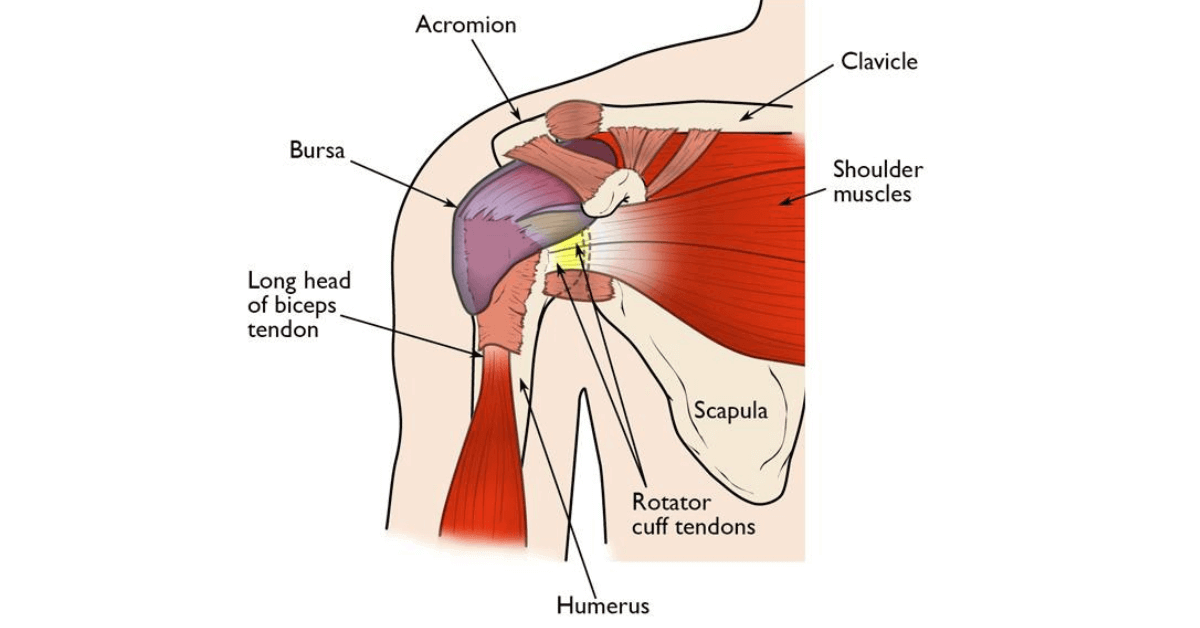
The rotator cuff is a group of four tendons stabilising the shoulder. Tears can be partial or full-thickness, leading to pain, weakness, and difficulty lifting the arm. Arthroscopic repair reattaches the tendon to bone, restoring strength and preventing progression to cuff arthropathy.

Types of Cuff Repairs

  • Single-row repair: For small tears with good tissue quality.
  • Double-row or speed-bridge: Provides broad footprint coverage for medium to large tears.
  • Partial repair & margin convergence: Optimises tension when full coverage is not possible.
  • Tendon transfers or superior capsular reconstruction: Options for massive irreparable tears.

Who Needs Rotator Cuff Surgery?

Not all tears need surgery, but intervention is recommended when:

  • Persistent pain: Night pain and weakness despite physiotherapy and injections.
  • Acute traumatic tears: Sudden weakness after injury, especially in active adults.
  • Large or retracted tears: Risk of progression to irreparability if left untreated.
  • Occupational demands: Jobs requiring overhead labour or athletic pursuits.

MRI or high-resolution ultrasound evaluates tendon quality, retraction, and muscle atrophy to plan repair strategy.

Arthroscopic Repair Workflow

Minimally invasive techniques minimise pain and accelerate recovery.

  • Portals & diagnostic scope: Evaluate bursa, biceps, labrum, and cartilage.
  • Tendon preparation: Debridement and mobilisation of the torn cuff.
  • Footprint preparation: Bone bed is freshened to stimulate healing.
  • Suture anchor fixation: Sutures secure the tendon in single or double rows, often with biologic augmentation.

Benefits of Timely Repair

  • Pain reduction: Eliminates night pain and improves sleep.
  • Strength restoration: Reattached tendons regain power for lifting and sport.
  • Joint preservation: Prevents progression to cuff arthropathy and shoulder replacement.
  • Custom rehab: Programmes tailored to athletic or occupational goals.

Rehab Timeline

  • Weeks 0–4: Sling support, passive range-of-motion, and scapular activation.
  • Weeks 5–8: Assisted and active motion, gentle isometrics.
  • Months 3–4: Progressive strengthening, closed-chain exercises, and proprioception drills.
  • Months 5–6: Sport-specific or occupational conditioning.
  • Month 6 onwards: Full return to heavy lifting, swimming, or racquet sports once cleared.

Risks & Management

Rotator cuff surgery is safe when performed by experienced arthroscopists.

  • Re-tear: Minimized with proper technique, biological augmentation, and adherence to rehab timelines.
  • Stiffness: Prevented through early motion protocols and pain control.
  • Infection: Extremely rare; we follow strict sterile protocols and postoperative care.
  • Nerve irritation: Protected through precise portal placement and intraoperative vigilance.
  • Residual weakness: Addressed with long-term strengthening and scapular mechanics training.

Comprehensive follow-ups, ultrasound assessments, and rehab reviews keep your shoulder progressing safely.

Frequently Asked Questions

Small degenerative tears can improve with physiotherapy and injections. Surgery is recommended for persistent pain, functional weakness, or large acute tears.

Most patients wear a sling for 4 to 6 weeks, removing it for supervised exercises. The duration depends on tear size and repair type.

Most patients recover near-normal strength, especially when repairs are performed early and rehab is followed diligently. Massive chronic tears may need additional procedures to optimise function.

Yes, once healing is confirmed and strength symmetry is achieved—typically after 5 to 6 months. Our physiotherapists guide safe progressions for lifting, CrossFit, or sport-specific training.

We offer tendon transfers, superior capsular reconstruction, or reverse shoulder replacement depending on age, activity level, and cartilage health. Each option is discussed in detail before surgery.