Knee Stability

MCL Repair & Reconstruction

From bracing to internal brace reconstruction, we restore valgus stability so you can cut, pivot, and train safely.

Medial Collateral Ligament Injury Treatment

What Is MCL Treatment?

The medial collateral ligament stabilises the inner knee against valgus forces. Mild injuries heal with bracing and targeted rehab, while high-grade tears or chronic laxity may need surgical repair, augmentation, or reconstruction using tendon grafts and internal braces to restore stability.

MCL Treatment Spectrum

  • Functional bracing: Hinged braces protect healing fibres during early phases.
  • Ultrasound-guided injections: PRP or prolotherapy accelerates healing in partial tears.
  • Primary repair: Acute avulsions are reattached to bone with anchors.
  • Anatomic reconstruction: Tendon grafts recreate superficial and deep bundles for chronic laxity.

When Do We Recommend Surgery?

Most Grade I–II injuries respond to conservative care, but certain scenarios demand operative intervention.

  • Grade III tears: Complete disruption with >10 mm valgus opening on stress tests.
  • Knee dislocations: Multi-ligament injuries that require comprehensive reconstruction.
  • Chronic instability: Persistent valgus laxity impairing sport or daily activities.
  • Failed non-operative care: Pain or giving way despite bracing and physiotherapy.

Stress ultrasound, MRI, and dynamic fluoroscopy quantify damage and guide personalised treatment decisions.

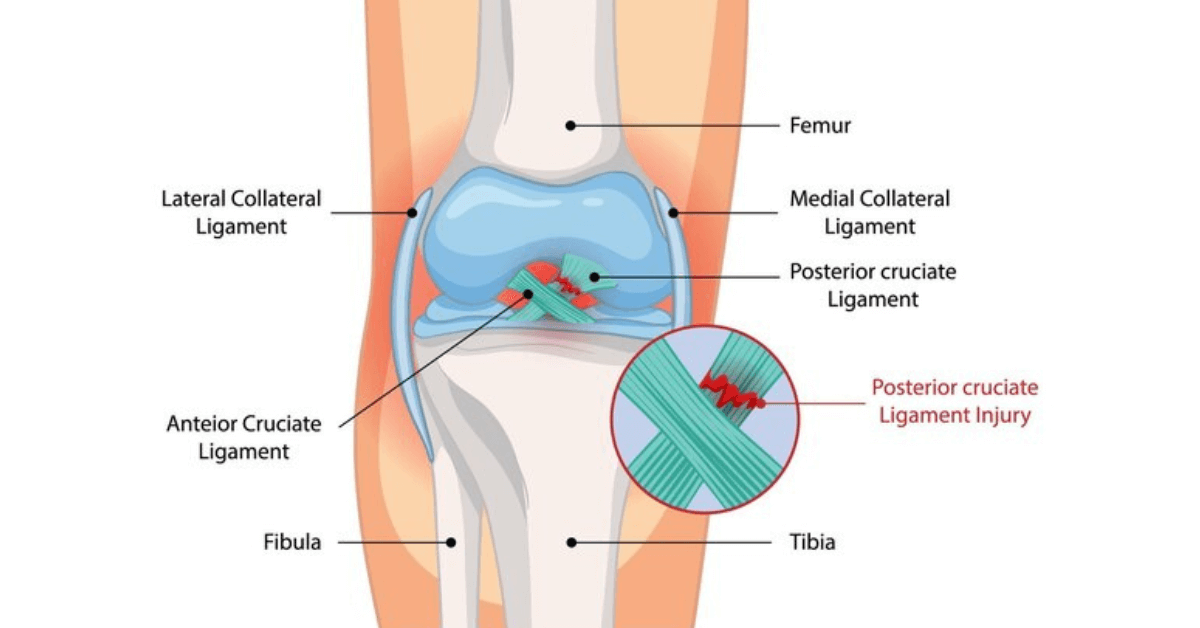
MCL Repair & Reconstruction Steps

Surgical care focuses on restoring native anatomy while protecting surrounding structures.

  • Diagnostic arthroscopy: Evaluates meniscus and cruciate integrity, addresses concurrent lesions.
  • Anatomic landmarking: Fluoroscopy or navigation marks femoral and tibial footprints.
  • Graft preparation: Hamstring or allograft tendons are sized to match required length.
  • Fixation: Interference screws and internal brace tape secure the graft while maintaining isometry through flexion.

Benefits of Comprehensive MCL Care

  • Stable valgus control: Prevents knee from “caving in” during cutting or squatting.
  • Meniscus protection: Restored alignment protects medial meniscus from overload.
  • Faster return to play: Structured progression rebuilds confidence for sport.
  • Lower reinjury risk: Internal bracing and neuromuscular training guard against relapse.

Rehab Roadmap

  • Weeks 0–2: Hinged brace locked, quad activation, and swelling control.
  • Weeks 3–6: Gradual flexion, closed-chain strengthening, and balance drills.
  • Months 3–4: Sport-specific drills, lateral movement training, and proprioception work.
  • Month 6: Return-to-play testing with single-leg hop and strength symmetry benchmarks.
  • Ongoing: Maintenance programmes to sustain medial chain strength.

Risks & Precautions

MCL treatment is safe, yet vigilance ensures optimal outcomes.

  • Residual laxity: Prevented with accurate graft placement and postoperative bracing.
  • Stiffness: Early physiotherapy and motion limits tailored to graft tension avoid arthrofibrosis.
  • Infection: Rare due to minimally invasive techniques and perioperative antibiotics.
  • Nerve irritation: Saphenous nerve branches are protected with careful dissection.
  • Recurrent injury: Neuromuscular retraining and return-to-play testing reduce recurrence.

Regular follow-ups, motion analysis, and strength assessments keep your knee resilient long after treatment.

Frequently Asked Questions

Grade III tears cause significant valgus laxity and difficulty bearing weight. Clinical exams, stress ultrasound, and MRI confirm severity and guide treatment.

Many partial tears heal with bracing, rest, and rehab. Surgery is reserved for complete tears, chronic instability, or combined ligament injuries.

Crutches are typically used for 2 to 3 weeks to unload the ligament during early healing, especially after surgery or high-grade injuries.

Return timelines vary from 6 weeks for mild sprains to 4–6 months after reconstruction. We use hop tests and strength benchmarks to clear athletes safely.

Yes. Multi-ligament knees are often reconstructed in the same sitting to restore balanced stability in every plane. Careful planning ensures each graft is tensioned correctly.