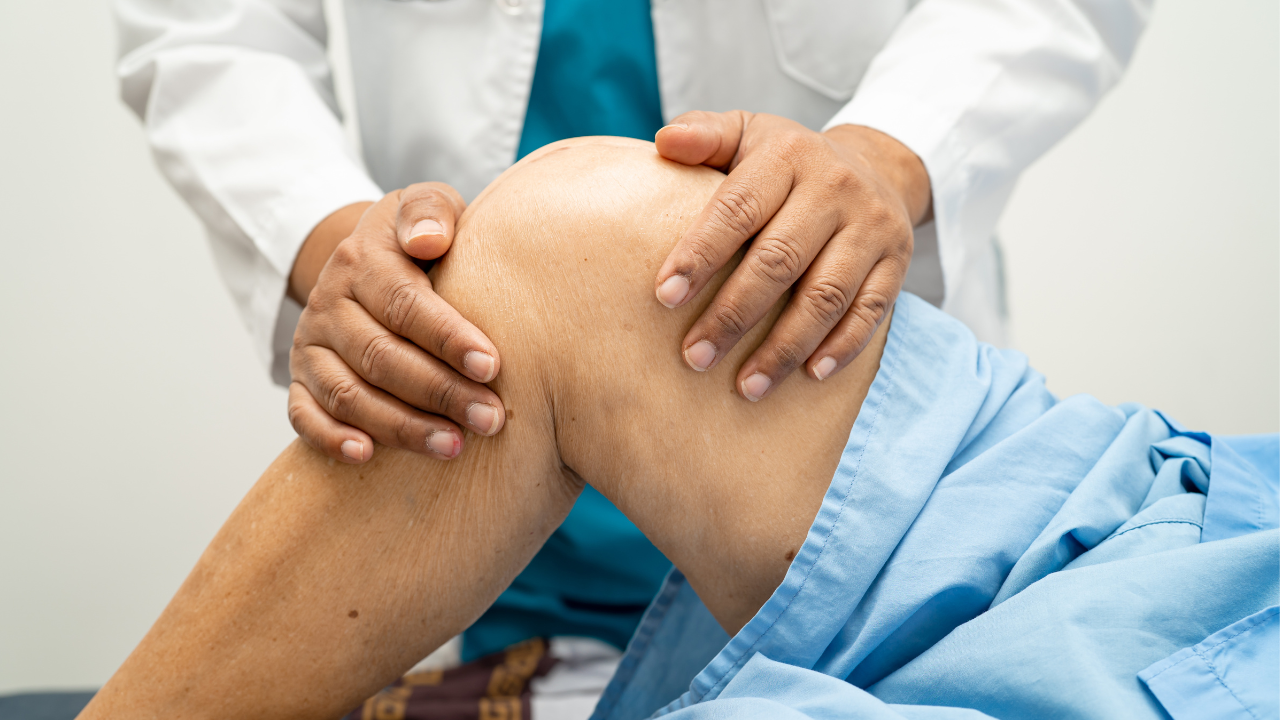
Knee replacement surgery can help people with severe knee pain and limited mobility return to everyday activities with greater comfort. While much of the preparation happens at the hospital and under the guidance of your orthopaedic team, preparing your home in advance can make the recovery period safer and more comfortable.
After surgery, you may initially experience stiffness, swelling, reduced mobility, and difficulty moving around as you normally would. Simple household tasks such as climbing stairs, bathing, cooking, or reaching for frequently used items may require additional effort.
Whether you are planning conventional knee replacement or robotic knee replacement in Navi Mumbai , taking time to organise your home before surgery can help you focus on healing rather than managing avoidable obstacles.
The first few weeks after knee replacement are focused on recovery, mobility exercises, pain management, and physiotherapy. Your movement may be temporarily restricted, and you may use a walker, crutches, or another mobility aid as recommended by your healthcare team.
A well-prepared home can:
Planning these changes before surgery means you do not have to make major adjustments while recovering.
One of the simplest and most useful steps is to create clear walking paths.
Before your surgery, walk through the areas you are likely to use frequently and remove anything that could get in your way.
Pay particular attention to:
If you will be using a walker, make sure doorways and corridors have enough space for you to move comfortably.
A clear pathway can make everyday movement much easier during the early recovery period.
The bathroom deserves special attention because wet surfaces can increase the risk of slipping.
Depending on your home and your surgeon's recommendations, consider:
Avoid relying on towel racks or other fixtures for support unless they are specifically designed and securely installed for that purpose.
Your physiotherapist or healthcare team can also advise you on safe ways to sit, stand, and move in the bathroom after surgery.
You may find it more comfortable to sleep in a room that does not require frequent stair climbing, particularly during the early days of recovery.
If possible, arrange your sleeping area so that:
Avoid keeping commonly used items on the floor or in low cupboards.
If your bedroom is upstairs and your surgeon recommends limiting stair use initially, ask your care team whether setting up a temporary sleeping area on the ground floor would be appropriate.
After knee replacement, repeated bending, squatting, or stretching may be uncomfortable during the early recovery period.
Before surgery, move frequently used items to convenient locations.
For example, keep:
You do not need to reorganise your entire home. Focus on the things you use every day.
Cooking may be tiring during the first few days or weeks, particularly if you are standing for extended periods.
Before surgery, consider preparing and freezing some meals or arranging for someone to help with cooking.
You can also:
Having meals ready in advance can reduce the amount of standing and moving required immediately after surgery.
Stairs can be challenging temporarily after knee replacement, but this does not necessarily mean you will be unable to use them.
Your orthopaedic surgeon or physiotherapist can teach you the appropriate technique for navigating stairs with your mobility aid.
Before surgery, consider how often you normally use stairs and whether important rooms are located on different floors.
If possible, arrange frequently needed activities on one level during the initial recovery period.
Do not attempt stairs independently if your healthcare team has advised you to avoid them.
Creating a small recovery station can make your daily routine easier.
A comfortable chair with good support can be useful, preferably one that is stable and allows you to sit down and stand up without excessive effort.
Keep nearby:
Avoid very low sofas or chairs that make it difficult to get up.
Your healthcare team may recommend a walker, crutches, cane, or another mobility aid depending on your condition and recovery.
Do not wait until after surgery to figure out how these devices work.
If a mobility aid has been recommended before surgery, learn how to use it correctly and make sure your home has enough space for it.
Your physiotherapist can demonstrate safe walking, turning, sitting, standing, and stair techniques.
Good lighting is particularly important when you are moving more slowly or using a walker.
Check:
Consider using night lights in areas you may need to access after dark.
A well-lit path can make it easier to identify obstacles and move around your home safely.
Recovery is easier when you have appropriate support.
If possible, arrange for a family member, friend, or caregiver to assist with tasks such as:
You may be able to resume many activities gradually, but having assistance available can reduce unnecessary strain during the early recovery period.
You will need to follow your surgeon's instructions regarding driving after surgery.
Before the procedure, arrange transportation for:
Do not assume that you will be ready to drive immediately after surgery. Your ability to drive safely depends on your recovery, mobility, medications, and your healthcare provider's advice.
Physiotherapy is an important part of knee replacement recovery.
Your rehabilitation programme may include exercises designed to improve:
Create enough open space in your home to perform the exercises recommended by your physiotherapist.
Do not add exercises or increase activity levels on your own simply because you feel capable of doing more. Follow the rehabilitation programme provided by your healthcare team.
Some swelling and discomfort can occur after knee replacement surgery.
Your medical team may recommend strategies such as elevation, cold therapy, exercises, or medication depending on your individual situation.
Prepare a comfortable area where you can rest with your leg positioned as instructed by your healthcare team.
If you are using ice or a cold pack, follow your healthcare provider's instructions regarding how and when to use it. Avoid applying ice directly to the skin.
Before surgery, make sure you understand your medication instructions.
Keep important information organised, including:
Your surgeon or medical team may also provide specific instructions about which medications to continue or temporarily stop before surgery. Follow those instructions rather than making medication changes independently.
Falls are an important concern during the early recovery period.
Before surgery, check your home for common hazards such as:
If you have pets, think about how to prevent them from suddenly getting under your feet while you are walking with a mobility aid.
Small changes can make a meaningful difference to your confidence and safety.
Choosing robotic-assisted surgery does not eliminate the need to prepare your home.
Robotic knee replacement in Navi Mumbai uses technology to assist the surgical team with planning and execution, but recovery still involves rehabilitation, gradual mobility, and following postoperative instructions.
Robotic assistance does not mean that recovery requires no effort or that patients automatically recover faster. Your rehabilitation depends on several factors, including your overall health, strength, knee condition, surgical approach, adherence to physiotherapy, and individual healing.
The same basic home-safety principles apply whether your surgery is conventional or robotic-assisted.
Your hospital will provide specific preoperative instructions. In addition to following those instructions, it can be helpful to:
If you are unsure about any instruction, contact your surgical team rather than relying on general advice.
Before knee replacement surgery, make sure you have considered:
It is better to prepare several days or even weeks before surgery rather than waiting until the last minute.
Starting early gives you time to identify potential problems, purchase recommended equipment, arrange support, and discuss concerns with your healthcare team.
If you are considering robotic knee replacement surgery in Navi Mumbai, ask your orthopaedic surgeon not only about the procedure itself but also about what you should expect during the first few weeks of recovery.
Preparing your home before knee replacement surgery is a simple but important part of getting ready for recovery. Removing obstacles, improving bathroom safety, arranging essential items, preparing meals, and organising support can make your transition home much smoother.
Whether you undergo conventional or robotic knee replacement in Navi Mumbai, your recovery will depend on a combination of appropriate medical care, rehabilitation, gradual activity, and following your surgeon's instructions.
A little preparation before surgery can give you greater confidence when you return home and allow you to focus more fully on healing and regaining mobility.
Ideally, begin several days to a few weeks before surgery. This gives you enough time to remove hazards, organise essential items, and arrange help.
Not necessarily. However, your bed should be at a comfortable height and positioned so you can get in and out safely. Your healthcare team can advise you if any specific equipment is needed.
Many patients can use stairs with appropriate instruction, but the timing and technique depend on individual recovery. Your physiotherapist can teach you how to use stairs safely.
Some patients may benefit from one, particularly if standing for long periods is difficult. Ask your healthcare team whether a shower chair is appropriate for you.
Physiotherapy is an important component of rehabilitation. Your programme may help improve movement, strength, balance, walking ability, and function.
The basic safety and recovery preparations are generally similar. Robotic assistance affects aspects of surgical planning and execution, but patients still need appropriate postoperative rehabilitation and home support.
If persistent knee pain, stiffness, or difficulty walking is affecting your daily life, an orthopaedic evaluation can help determine whether conservative treatment or knee replacement may be appropriate.
If you are considering robotic knee replacement in Navi Mumbai , discuss your diagnosis, treatment options, expected recovery, and rehabilitation plan with an experienced orthopaedic surgeon before making a decision.
This article is intended for general educational purposes and should not replace personalised medical advice. Recovery recommendations and home modifications may vary from patient to patient. Always follow the instructions provided by your orthopaedic surgeon and rehabilitation team.