
Arthoscopy Surgery
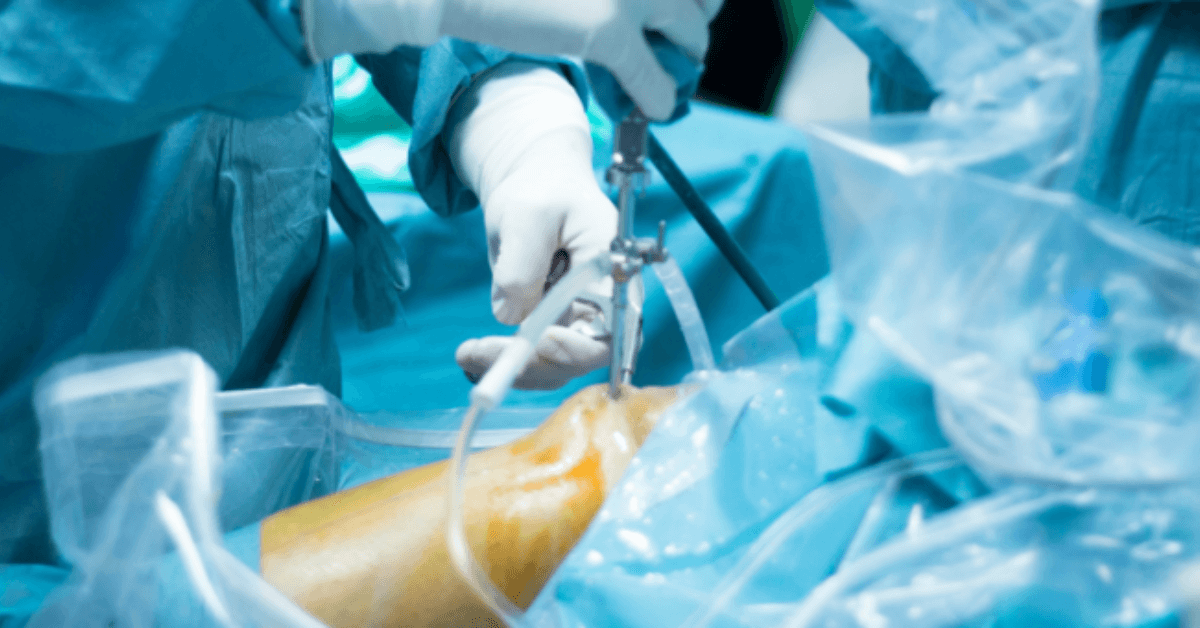
If you’ve been suffering from chronic joint pain or injury, arthroscopy surgery could be the solution you need. This advanced, minimally invasive procedure is commonly used to diagnose and treat a variety of joint issues, offering quicker recovery times and less pain compared to traditional surgery. Whether you’re dealing with a torn ligament, cartilage damage, or other joint-related problems, arthroscopy can help restore your joint function and improve your quality of life.
What is Arthroscopy Surgery?
Arthroscopy surgery is a minimally invasive technique used to examine and treat problems inside a joint. The procedure involves making small incisions through which a tiny camera called an arthroscope is inserted. The camera sends live images of the joint to a monitor, allowing the surgeon to identify the problem and guide them in performing repairs. Specialized tools are also used to treat the issue without the need for large incisions, making recovery faster and less painful than traditional open surgery.
Benefits of Arthroscopy Surgery
Arthroscopy surgery is favored over traditional surgery for a number of reasons:
Minimally Invasive: The small incisions used in arthroscopy lead to less tissue damage and scarring, which helps reduce recovery time and risk of complications.
Faster Recovery: Since the procedure is minimally invasive, most patients can return to normal activities within a few weeks, compared to months for open surgery.
Less Pain: The small incisions and reduced tissue disruption result in significantly less pain both during and after the surgery.
Precision and Accuracy: With real-time imaging from the arthroscope, surgeons can perform procedures with extreme precision, improving surgical outcomes.
Common Conditions Treated with Arthroscopy Surgery
Arthroscopy surgery can be used to treat various joint conditions, including:
Knee Injuries: Such as torn cartilage, damaged ligaments (like ACL tears), or meniscus tears.
Shoulder Problems: Including rotator cuff injuries, shoulder impingement, and labral tears.
Hip Disorders: Arthroscopy can be used to treat conditions like hip labral tears or hip impingement.
Elbow Injuries: Including elbow joint stiffness, ligament tears, and inflammation.
Ankle Injuries: Such as damaged cartilage or bone fragments.
Arthroscopy is commonly used to treat issues in the knee, shoulder, elbow, and ankle joints, but it can also be applied to other joints depending on the condition.
The Arthroscopy Surgery Procedure
Arthroscopy surgery is typically performed on an outpatient basis, meaning you can usually go home the same day. Here’s a breakdown of the typical procedure:
Pre-Surgery Consultation: Before the procedure, your surgeon will conduct a thorough examination and may order imaging tests (like X-rays or MRIs) to assess the joint and its condition.
Anesthesia: Arthroscopy surgery is usually performed under general or regional anesthesia, depending on the joint and the extent of the surgery. Local anesthesia may be used for smaller procedures.
Making Small Incisions: The surgeon makes one or more small incisions near the affected joint. Through these incisions, the arthroscope (camera) and small surgical instruments are inserted.
Diagnosis and Treatment: The surgeon uses the live video feed from the arthroscope to assess the joint. Damaged tissue is repaired, removed, or replaced using specialized tools.
Closing the Incisions: After the repair, the incisions are closed with sutures or adhesive strips. You may be given a bandage to protect the surgical area.
Recovery After Arthroscopy Surgery
One of the biggest advantages of arthroscopy surgery is the quick recovery time. The procedure is minimally invasive, meaning less trauma to the surrounding tissue and a shorter healing period. However, recovery time varies depending on the joint treated and the complexity of the surgery.
Here’s what to expect during recovery:
Rest and Support: You may need to wear a brace or sling depending on the joint involved. Rest is important during the initial days after surgery.
Physical Therapy: Most patients will begin physical therapy within a few days to weeks after surgery to help restore strength, range of motion, and flexibility to the joint.
Gradual Return to Activity: Most people can return to light daily activities within a few weeks. However, more strenuous activities or sports may require a longer recovery period, depending on the type of surgery performed.
Who Should Consider Arthroscopy Surgery?
Arthroscopy surgery is often recommended for individuals who have:
Chronic Joint Pain: Pain that doesn’t improve with conservative treatments like physical therapy, medications, or injections.
Injuries or Tears: Like ligament tears, meniscus damage, or cartilage issues that don’t heal on their own.
Limited Mobility: Difficulty moving or using the joint due to pain, stiffness, or mechanical issues like joint locking.
If non-invasive treatments have failed to provide relief and your daily activities are affected by joint pain or injury, arthroscopy surgery may be a good option.
Why Choose Arthroscopy Surgery?
If you are suffering from joint pain or injury, opting for arthroscopy surgery offers several advantages:
- Minimally invasive with less risk of complications.
- Quick recovery and faster return to daily activities.
- Improved joint function and pain relief.
- A high success rate in treating various joint conditions.
With advancements in surgical techniques and technology, arthroscopy surgery has become a highly effective and popular choice for treating a wide range of joint problems.
Arthroscopy surgery is an excellent option for individuals suffering from joint pain or injuries that don’t respond to traditional treatments. Whether you’re dealing with knee pain, shoulder instability, or any other joint condition, arthroscopy offers a faster, less painful alternative to traditional surgery.
Consult with an experienced orthopedic surgeon to learn more about how arthroscopy surgery can help restore your joint function, reduce pain, and improve your quality of life. Take the first step toward recovery and regain your mobility today.
Some Frequently Asked Question:
What is arthroscopy surgery, and how is it different from regular surgery?
Arthroscopy surgery is a special kind of surgery for joint problems, like in your knees or shoulders. Instead of big cuts, doctors use a tiny camera and small openings. This helps them fix issues without causing a lot of damage to your body. It’s like surgery, but smaller.
Why would I need arthroscopy instead of other treatments?
Arthroscopy is great because it’s precise and not as big as regular surgery. It means less pain and a faster recovery for you. Doctors use it for different joint problems, like fixing torn ligaments or taking care of swelling in your joints.
What kinds of joint problems can arthroscopy fix?
Arthroscopy is like a superhero for joints. It can fix torn ligaments, remove bits that shouldn’t be there, and help with problems in the cartilage. It’s a handy tool for lots of joint troubles.
How long does it take to recover from arthroscopy surgery?
Recovery is quicker with arthroscopy! Since the cuts are small, you’ll be up and about faster. Most people can get back to doing their favorite things sooner compared to regular surgery.
Are there any risks with arthroscopy surgery?
Like any surgery, there are small risks, but arthroscopy is generally safe. Infections and bleeding are rare. Your doctor will explain the risks and benefits to make sure it’s the right choice for you.
